Craft Guides & Tutorials
Guide 1: Initial Setup
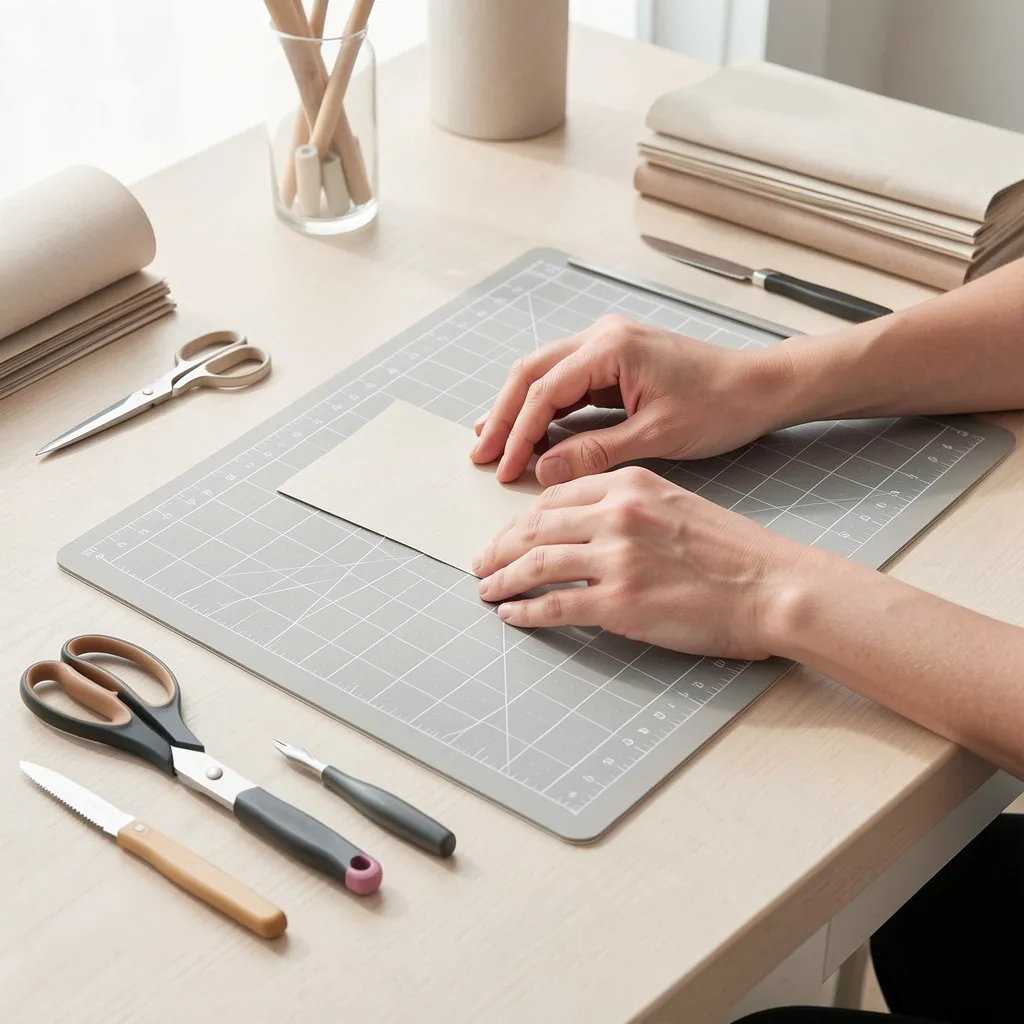
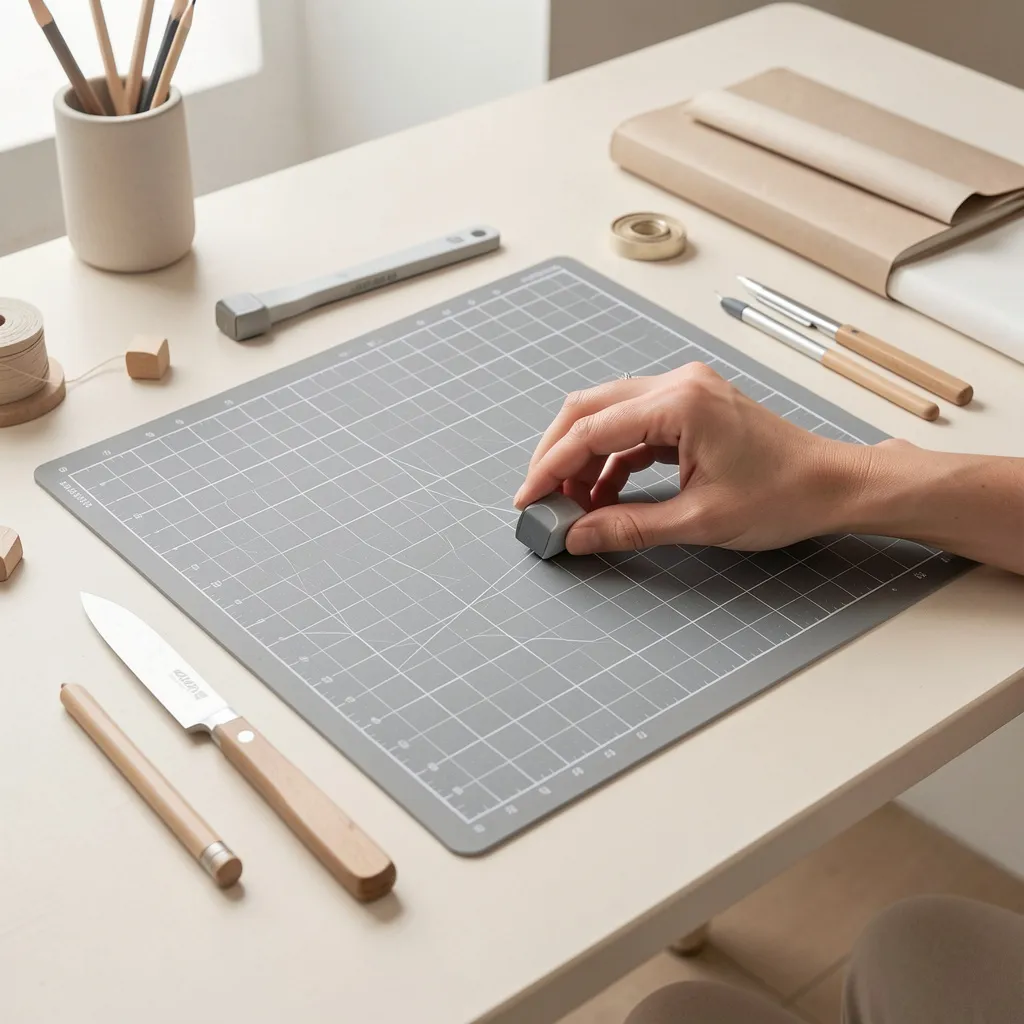
Begin by selecting an appropriate work surface that is clean, flat, and stable. Unroll your cutting mat and allow it to settle for a few minutes to ensure it lies completely flat. Position the mat so that grid lines align with your workspace orientation for optimal measurement accuracy.
Guide 2: Tool Selection
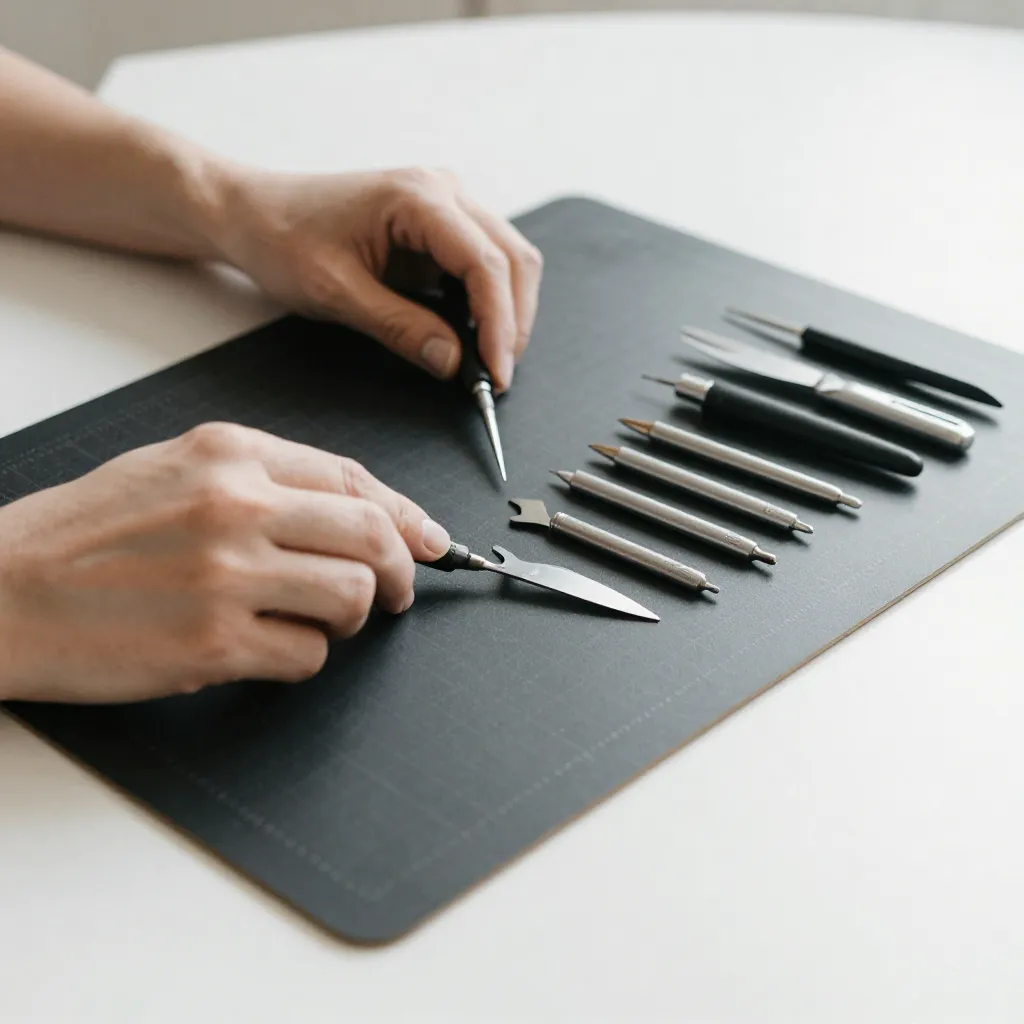
Choose cutting tools that match your material type and mat thickness. Sharp blades with clean edges work well with self-healing surfaces. Avoid using dull or damaged tools as they can cause excessive wear on the mat surface.
Guide 3: Cutting Techniques
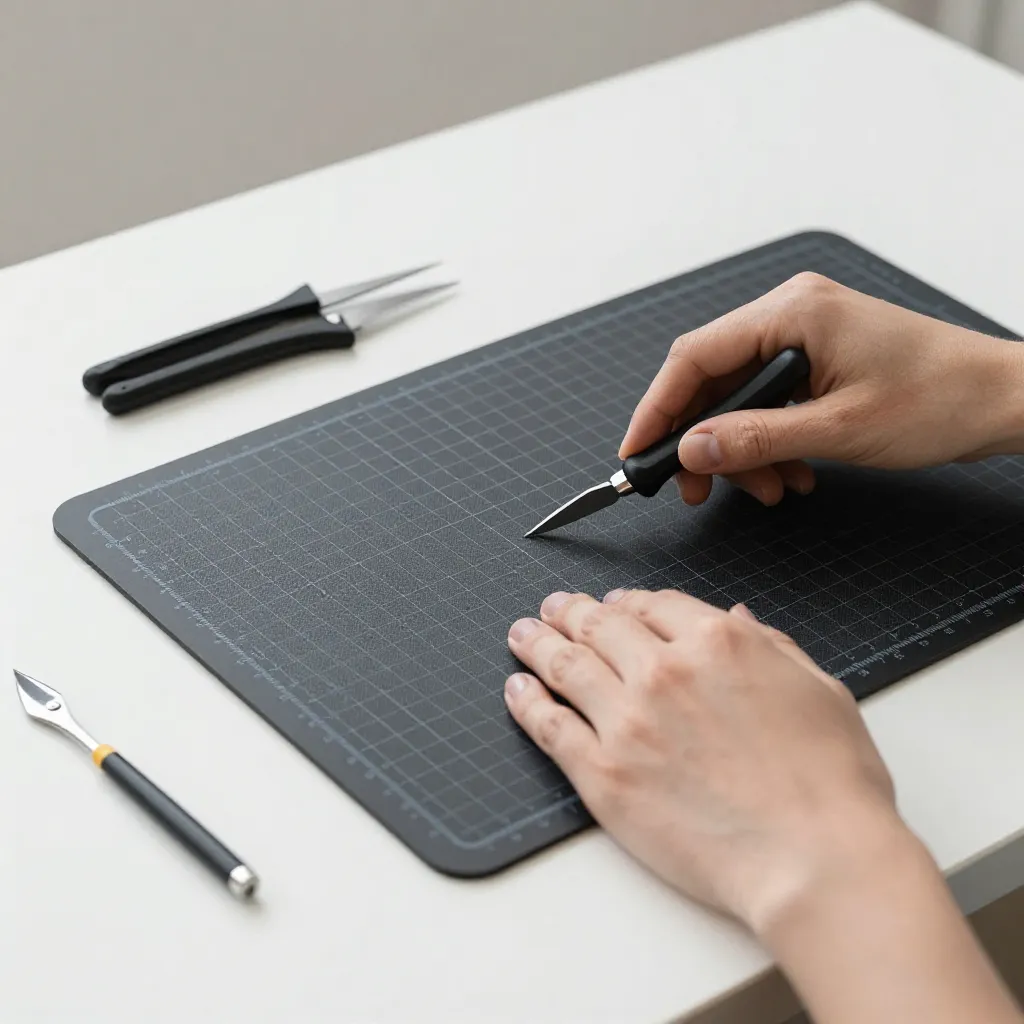
Apply consistent pressure when cutting to ensure clean, precise cuts. Use the grid lines as guides for straight cuts and measurements. For curved cuts, work slowly and maintain steady pressure throughout the cutting motion.

Guide 4: Measurement Accuracy
Utilize the grid markings for precise measurements. Align your material edges with grid lines and use the measurement scale printed on the mat for accurate dimensions. Double-check measurements before making final cuts.
Guide 5: Surface Protection
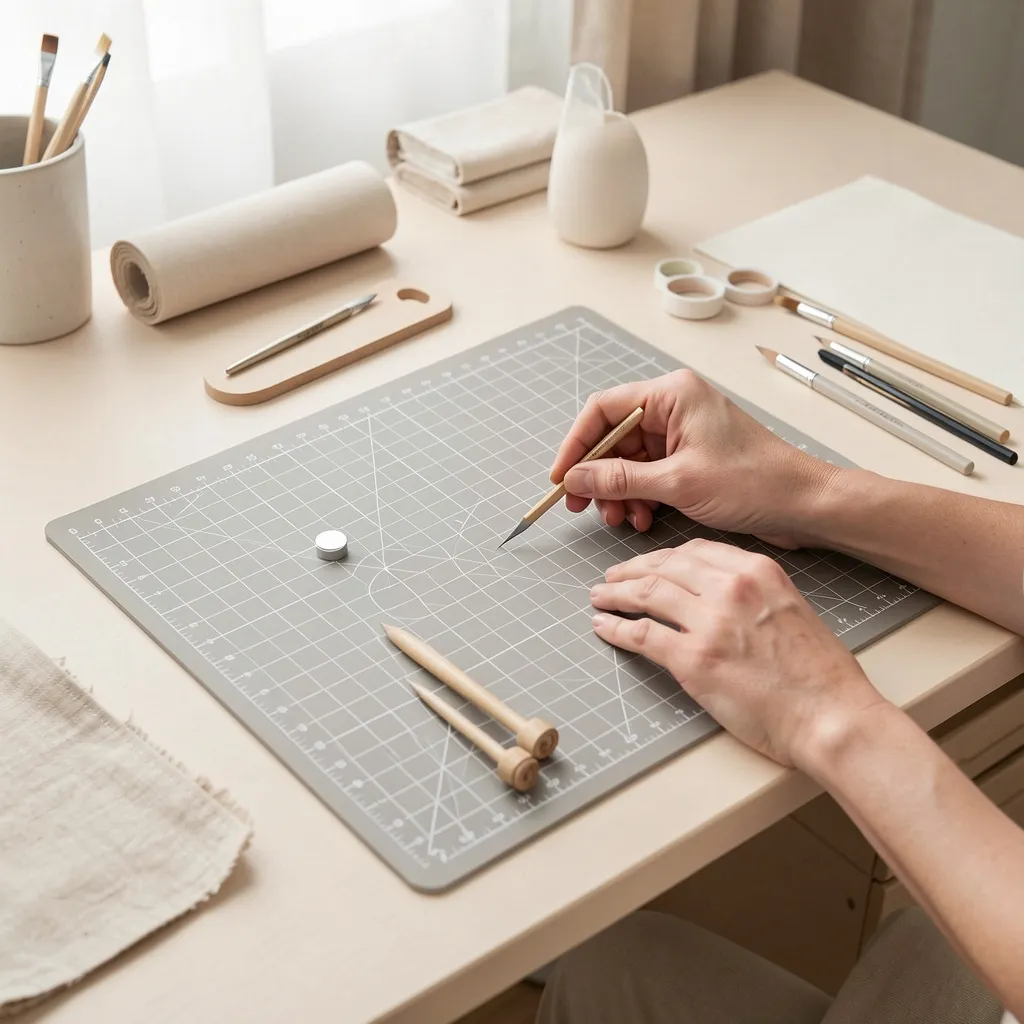
When working with materials that may stain or damage surfaces, place a protective sheet beneath your cutting mat. This provides an additional layer of protection for your work surface and extends the life of your cutting mat.
Guide 6: Maintenance Routine
Regular maintenance keeps your cutting mat in optimal condition. Clean the surface with mild soap and water after each use. Avoid harsh chemicals that may damage the self-healing properties. Store the mat flat to prevent warping.
Advanced Techniques
Guide 7: Multi-Layer Cutting
When working with multiple layers of material, use consistent pressure and sharp blades. The self-healing surface allows for precise cuts through multiple layers without damaging the mat.

Guide 8: Curved Cuts
For curved cuts, work slowly and maintain steady blade pressure. Use the grid lines as reference points and plan your cutting path before beginning.

Guide 9: Material Compatibility
Different materials require different cutting approaches. Understand the properties of your material and adjust your cutting technique accordingly for optimal results.

Guide 10: Workspace Optimization
Organize your workspace for maximum efficiency. Position your cutting mat, tools, and materials in an ergonomic layout that minimizes movement and maximizes precision.

Frequently Asked Questions
How long do cutting mats last?
With proper care and maintenance, our cutting mats can last for many years. The self-healing properties ensure the surface remains functional even after extensive use.
Can I use any cutting tool with these mats?
Yes, our cutting mats are designed to work with all standard cutting tools including rotary cutters, craft knives, and scissors. Sharp blades work well for optimal results.
How do I clean my cutting mat?
Clean your mat with mild soap and warm water. Avoid harsh chemicals that may damage the self-healing properties. Store flat to prevent warping.
What size should I choose?
Choose a size that accommodates your largest typical project. Consider your workspace dimensions and storage capabilities when selecting a size.